ALA Foundry · Hands-on AI education
Learn · Build · Deploy
Don't just learn AI.Build it.
Built by builders.
For young minds.
The education arm of ALA Technology Insights. We design and run project-based AI learning for schools and youth programs.
Give learners the agency to shape what comes next.
Curiosity in. Capability out.
Schools & learning communities.
Schools, districts, colleges, after-school programs, and youth nonprofits.
Youth, STEAM & workforce programs.
Shaped around your mission, your learners, and your resources.
A meaningful
place to start.
Workshop, pilot cohort, or custom course. Every one ends with a finished build learners can explain.
start here!
Flagship · No code neededAI as a Design Partner
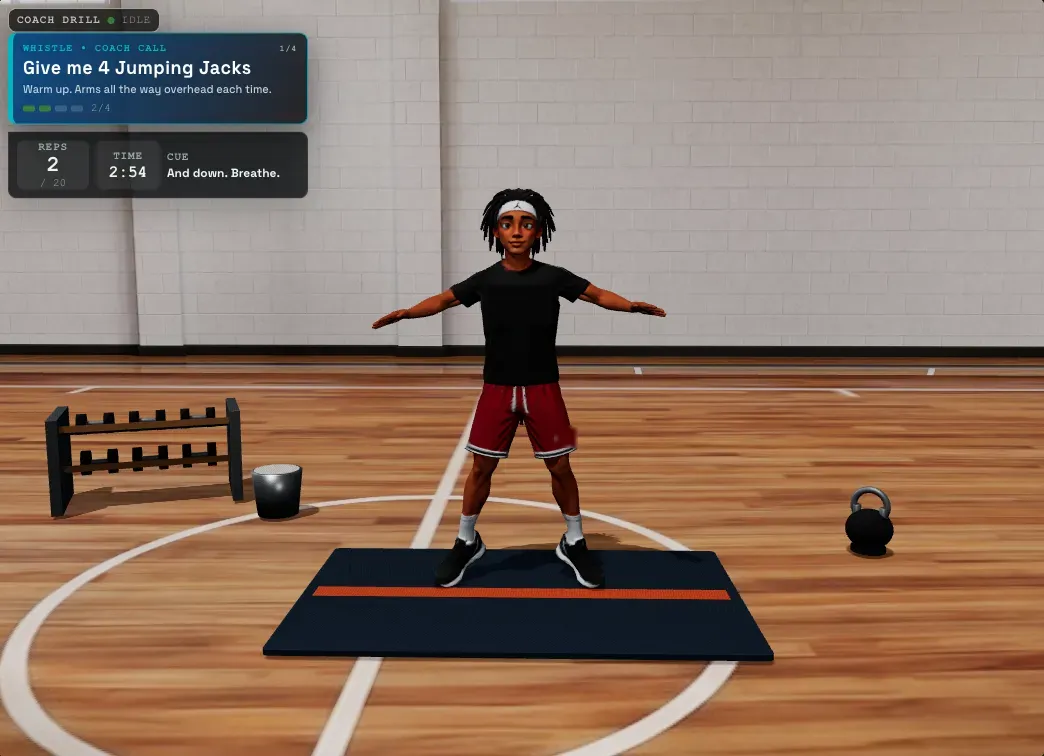
Create a 3D character, train pose recognition, and bring it to life with movement.
Your challenge.
Your course.
We match the project, pace, and tools to your learners. A sports academy gets motion recognition. You bring the problem.
More ways to build.
AI Product Sprint
Turn a real problem into a working prototype, with a build log, demo story, and risk notes.
Agentic Business Lab
Design an agent workflow, test its behavior, and decide where it hands back to a person.
Automation Studio
Map a process and automate it, with a human review loop and launch checklist.
Custom team intensive
Find the AI opportunities in your team's actual work and turn them into a backlog.
Movement becomes
intelligence.
Webcam, movement model, 3D athlete, coaching feedback: one connected system. Scroll the build.
field-tested by 57 learners!
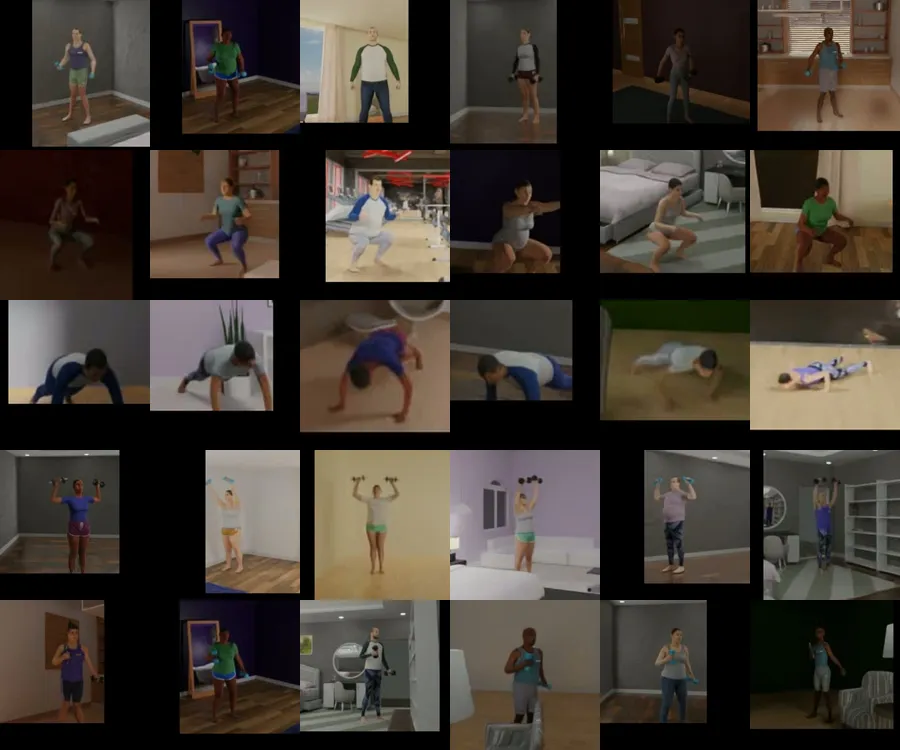
What can it see?
Movement becomes data. Learners see how examples shape a model, and where it fails.
Make the pieces work together.
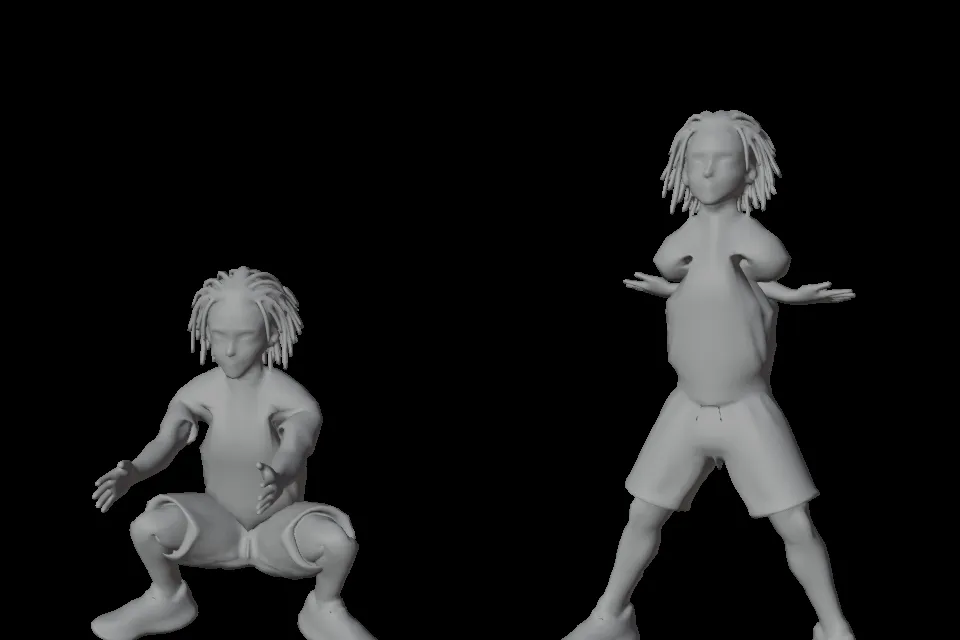
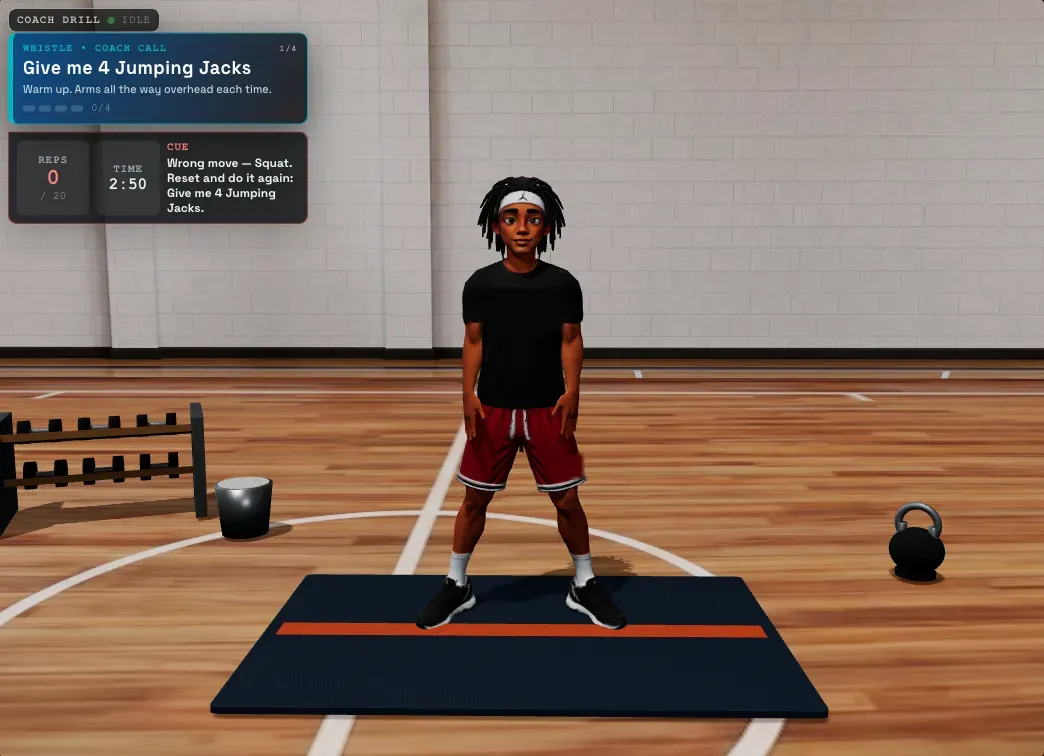
Predictions drive rules and an animated athlete. Learners decide when the system should act, and when it should wait.
A working demo is the beginning.
Test it, break it, improve it. Learners ship a browser demo and can explain its limits.
The project changes.
The thinking stays.
AI fluency, systems thinking, creative problem solving, and product development, practiced together in one real build.
Our seven-move framework
- Frame
- Sense
- Connect
- Decide
- Act + loop
- Stress
- Reflect + improve
theirs to keep ✓
What they take awayA project to show.
A process to keep.
- Working artifactsA prototype they can demo.
- Evidence of thinkingSystem maps, tests, and design decisions.
- Responsible judgmentPrivacy, consent, uncertainty, human oversight.
In your space.
Or online.
Live facilitation, in person or remote. We plan the schedule, equipment, and access needs with you.
Listen. Design.
Build. Reflect.
Guided course stations and browser tools take learners from first question to finished build.
FAQ
still curious?
Do learners need coding experience?
No. AI as a Design Partner is a no-code entry point. For other tracks we agree on prerequisites and adapt the tools to your group.
How is this different from an AI literacy course?
Learners don't just study AI. They build with it: making product decisions, testing model behavior, and explaining the tradeoffs.
Can you tailor a course to our mission?
Yes, that's where every course starts. The skills stay the same; the project is built around your learners.
Do students keep their projects?
Yes. They leave with project artifacts they can share. We agree on packaging and access with you during planning.
What do learners need?
A computer and a modern browser. Some projects add a webcam or selected AI tools. We confirm everything before delivery, in person or online.
How do you teach responsible AI?
Inside the build: learners inspect uncertain outputs, test failure cases, weigh privacy and consent, and decide where a human should review.
How much does it cost?
It depends on the program, format, and group size. Tell us what you're working with and we'll send options.
Your mission.
Our next build.
Tell us about your learners and your goals.
Please don't include student names or sensitive student information.
your move →